Choosing Schools
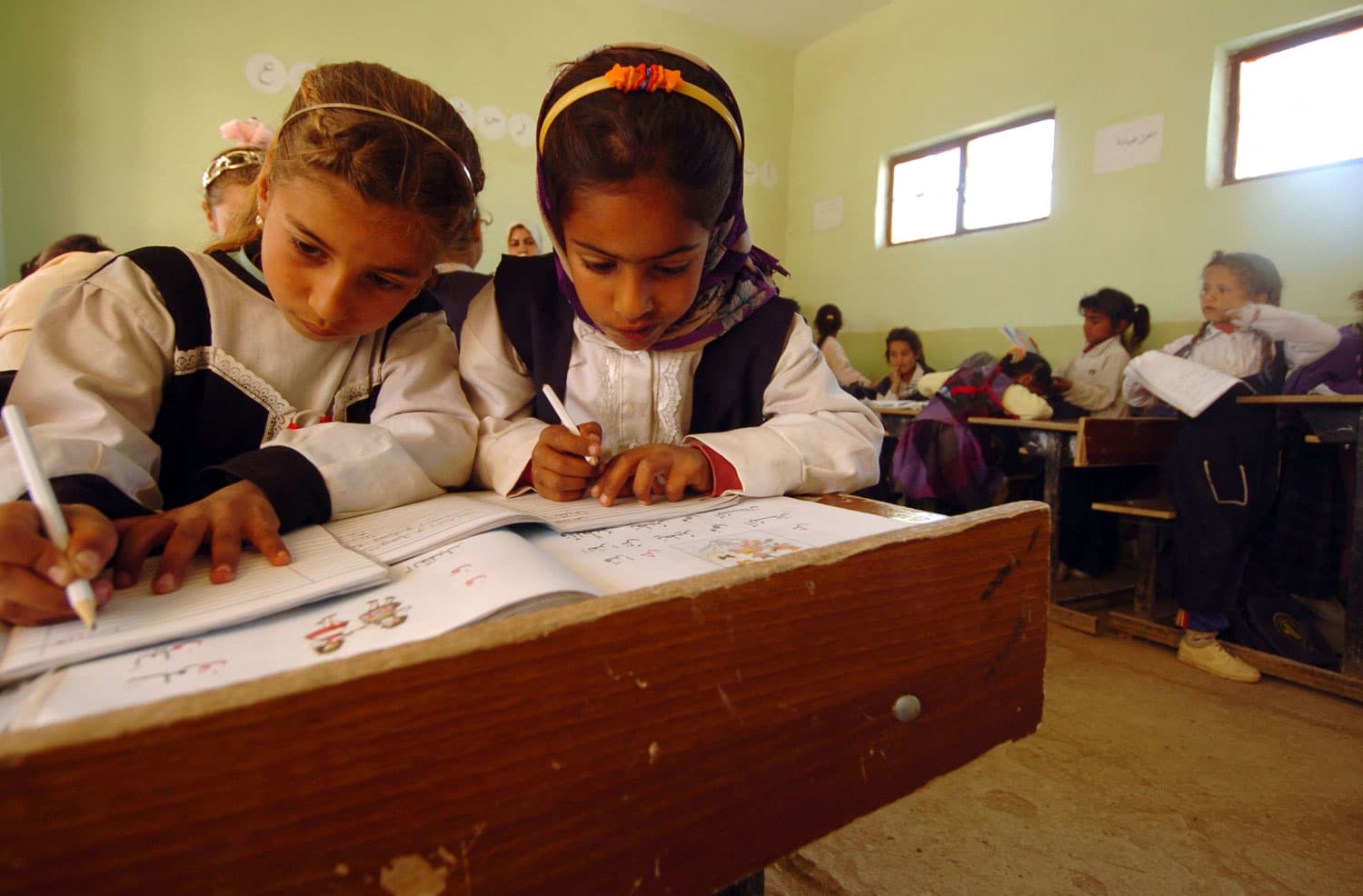
Do you choose schools like I did? Without much of a thought, I simply went for the most reputable ones that everyone else was going for and settled for the 'best' ones that wowed others: those that ranked high academically, had great alumnus and produced great standardized tests results.
But School is Not Education! Just a part of it.
To ensure schools fit into our children's educational plans, we have to consider The Purpose of SchoolsSchool is only part of Education.
The Purpose of Schools
My daughter said that with Mother Google and the plethora of online resources, there is really no need to send our children to schools to acquire knowledge any more.
You can ask about anything online to get an instant answer with far more details, taught by the best teachers and all free. So these days, we do not need to send our children to schools for academic reasons.
Still, there are reasons to send them to school. Here are mine and yours might be different. I will elaborate each of these in my book*:
- to develop citizenship
- to become socially resilient
- to learn from other adults
- to make age-peer friends
- to develop group-learning and peer-teaching skills
- to get accreditation for their studies
- to give me time to do my own things
So what do we look for when choosing schools?
1. Look Beyond the Label
One of my very good friends swears by private schools, and though he is suffering from Stage 4 Parkinson's Disease and financially strapped, he continues to pay through his nose (>US$1,300/month) to get the 'best' education on earth for his son. I suggested he homeschool his son on his boat with his remaining days while he still can sail, but he is afraid his kid will lose out not being in a private school. Perhaps he had a bad experience with a public school, but…
A good education does not come from a school with the right label: there are excellent public schools, private schools infested with drugs, independent schools with poor teachers and neighborhood government schools with committed educators. We should cast our nets wider, look deeper and beyond the school label.
2. Interview the School Leaders and Teachers
The Principal.
I learned through the very hard way that the principals are the most influential people during our children's time in school. A new principal in my son's school was a cause of him on the brink of depression, making him unable to function in schools for years. The story still seems like a nightmare to me.
For every bad principal, I have met another ten good ones. Generally, they are happy to share their resources and knowledge. I will write about the qualities of a good principal in the book*.
A school is as good as its principal.
The Teachers.
Teachers either build up or destroy during their interaction with the children. I have written about good educators and poor ones. A good educator transforms lives while a bad one leaves you much emotional scars to handle for years.
In general I like confident teachers who have some years of working experience besides teaching, are inspired, inspiring (no typo), matured and believe they are called to teach.
I also believe teachers should be involved in more enriching activities like writing books and researching rather than being in charge of sports and performing arts, unless they are passionate about these things.Teachers either build up or destroy during their interaction with the children. I have written about good educators and poor ones.
3. Consider the Logistics
Commute Time.
Children do not like to commute in general, and it is also painful for parents to shuttle to and fro for hours just to send the kids to an ideal school. Therefore, I will always choose schools near our home.
When the push comes to shove, I have moved house or changed schools a couple of times. The hours saved are precious.
Schools within walking distance are the best.
School Traditions And Culture
Being in a school is not just about academics, it is about being in a community. Therefore, it is important for me to send my children to schools with good traditions, history and culture so that they can grow up identifying with their friends.
My daughters' secondary school has a strange culture: the girls' skirts must never be stained. Though it was cumbersome, it made them really careful and dainty to this day, and I like that.
Our children will adopt the culture they are immersed in six hours a day for years, so we have to pick the right culture we desire them to be in.
Facilities And Stability
Some schools are old but well-maintained, some are new yet run down. Here's where a visit to the school is important to understand the usage of the facilities. Just having a swanky building does not say much if the students are not empowered to use them.
While in the school, look for signs to see if they are school-proud, the relationship between the educators and students, and inter-student behavior.
4. Match the Purposes
Remember the list of purposes made earlier and consider if the schools meet those. Generally, I like schools that take little of my children's time because I like my kids at home. I am not so worried about the academic capabilities of the school because through the years, I know academics is of the least concern for my children.
So, my 'good' schools cannot run from eight to eight everyday to pump the kids up for standardized tests.
Secondly, I look for schools where my children can find intellectual peers so that they will neither be bored nor struggle. This is when the entrance test is important. If the children have to hot-house and study day and night (e.g. PSLE in Singapore) to qualify for a school, then the school is wrong. The kid may make it to the school but will be quickly demoralized when he realize he is in the wrong cohort with few like-minded friends.
Putting children in schools is not just about catering to their intellectual or academic capabilities, it is also about helping them find lifelong friends.
Lastly, a good school looks into the individual needs of its student and matches that against their offerings and curriculum. There should be acceleration opportunities for students who are strong in certain or all subjects, and help for the weaker ones.
Our schools are extensions of ourselves.
5. Let the Children Choose
Last and most importantly, let the children have the last say. We may help by shortlisting a few suitable schools but let them make the choice. They will be the happiest if they attend the school they want and we will spend much less time motivating them to do school-related activities.
Tutor a School-Going Child?
No, I don't believe that a child who is attending a good school needs to go for any kind of tuition. However, if the child needs occasional help to get over a difficult problem, we should chip in or find short term assistance.
In addition, even when we send our children to schools, I still believe we as parents should teach our children something at home. It can be dressmaking, baking, algebra, music, sports or writing. Something taught systematically and purposefully so that we get to instill discipline and learn more about our children's learning styles. This information is vital if we want to journey their educational paths with them and become partners to our children's educators.
Talk about this in the next article.

哈佛大学受训的教育者,曾任新加坡管理大学全职讲师,也是五个孩子的母亲——五个孩子都在 11 至 15 岁之间进入大学。廖秀梅基于一个信念创办了全资优学校:每个孩子都以不同的方式拥有天赋,而教育的使命,就是把每个孩子的潜力发挥到极致。
如果这篇文章引起了您的共鸣……
让您思考方式焕然一新的教育洞察。
加入来自10个国家的家长,每周阅读Pamela关于教育、育儿与培养资优学习者的深度洞察。
无垃圾邮件。可随时退订。我们尊重您的隐私。