Teaching Kids to Be Human Again
She was upset. A saleslady at a beauty counter told my student she had oily skin and needed a whole range of products to fix it.
I had sent my students out to make life difficult for staff — McDonald's, retail shops, beauty counters around our Bras Basah campus in SMU. I wanted them to learn about customer service as part of the entrepreneurship course. When she came back, she wasn't thinking about sales techniques. Someone had looked at her face and told her something was wrong with it. She was thinking about buying that skin care.
She learned a sales tactic: instill fear, uncertainty and doubt. So did my whole class. I call it FUD.
This is the opposite of what we did for over a century. We built schools for the factory line. Sit still, memorise, reproduce, don't ask questions. We trained children to behave like machines — predictable, obedient, efficient. It worked because the factories needed that.
Today, we have actual machines, and they are better at being machines than we ever were. AI writes cleaner essays, calculates faster, never calls in sick. So the question flips — not "how do we make humans more productive?" but "what makes a human human?"
Not the mechanics of calculus — we ought to teach the instinct to ask whether the answer makes sense. Not grammar rules, but the courage to say something worth reading. Not how to pass an interview, but how to walk away from a job that's wrong for you. Not how to analyse a case study, but how to sit across from someone and know they're lying.
No system teaches this well. And honestly, by the time any formal system overhauls itself to try, it will be too late. Curriculum committees, government policies and certification bodies move in years, decades and sometimes centuries. AI moves in days. Our children do not have time to wait for the syllabus to catch up.
So families must step in. We must teach our kids how to be human, because only humans can do that. Not by lecturing them about empathy or critical thinking — those are just more school words. But by dragging them into real situations with real stakes and letting them feel their way through. On a daily basis.
That student — I told her I have oily skin too, and that's what keeps you looking younger. The saleslady was trying to fix the one thing that didn't need fixing.
That was almost 20 years ago. By now, she must be so happy she has oilier skin that doesn't age easily.
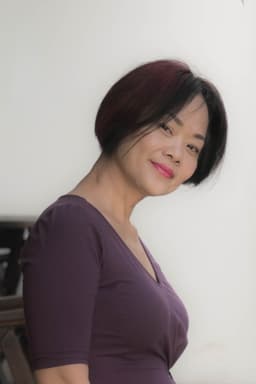
哈佛大学受训的教育者,曾任新加坡管理大学全职讲师,也是五个孩子的母亲——五个孩子都在 11 至 15 岁之间进入大学。廖秀梅基于一个信念创办了全资优学校:每个孩子都以不同的方式拥有天赋,而教育的使命,就是把每个孩子的潜力发挥到极致。
如果这篇文章引起了您的共鸣……
让您思考方式焕然一新的教育洞察。
加入来自10个国家的家长,每周阅读Pamela关于教育、育儿与培养资优学习者的深度洞察。
无垃圾邮件。可随时退订。我们尊重您的隐私。